When the Screen Shouts: Spotting Manufactured Urgency in UK Slot Marketing
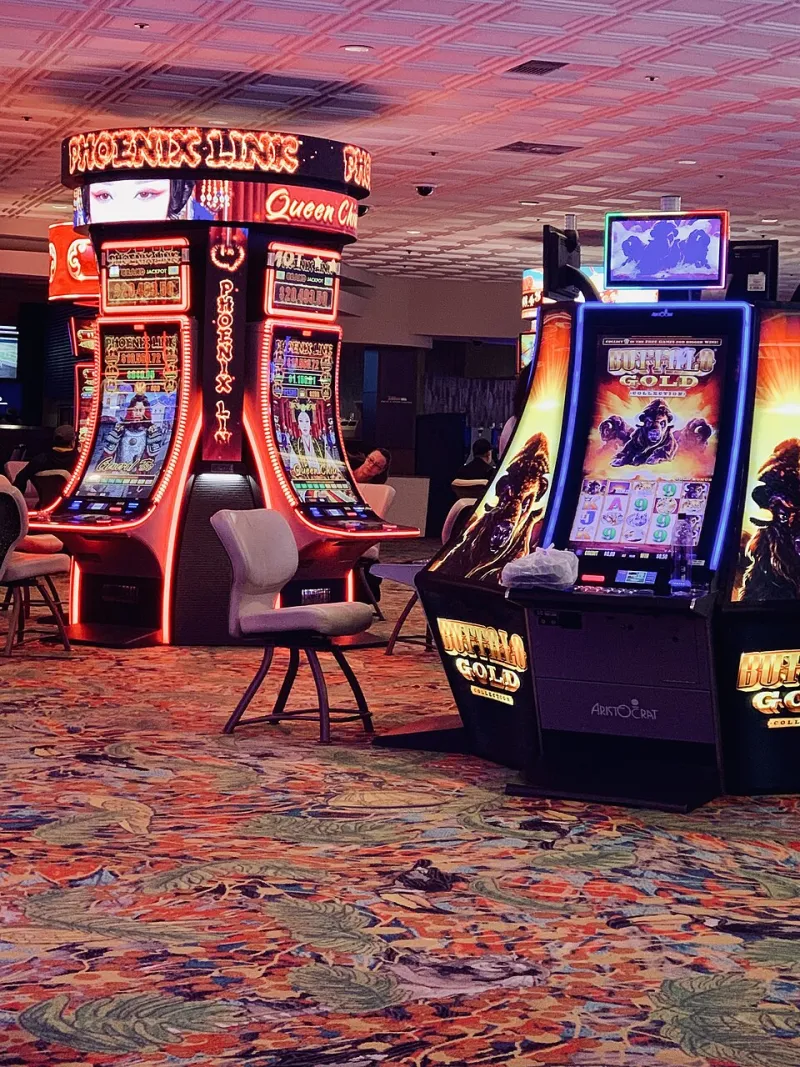
Photo: Lchung9779, CC BY 4.0, via Wikimedia Commons
There's a particular noise a slot makes when it wants you to keep going. Not the win chime — the other one. The low, rising swell when two scatters land and the third reel is still turning, the little hop the screen does when a near-miss slides past, the confetti that fires for a return smaller than your stake.
None of that is accidental. And in 2026, with UK-licensed operators competing for the same attention on the same small screens, the pressure has become more polished and more constant. This isn't a piece about banning fun. It's a piece about noticing the machinery, because noticing it is most of the defence.
Urgency needs a clock. Check that the clock is real.
The most common trick is the deadline that isn't one. "Offer ends soon." "Last chance to claim." "Bonus expires in 09:59" — running on a timer that resets when you refresh the page.
Some deadlines are entirely genuine: a welcome offer really can close, a promotional period really can end on a stated date. But a real deadline is always written down somewhere with a time, a date and a timezone, usually in the promotion's terms. If the only place the urgency appears is in an animation, it isn't a deadline. It's a mood.
Ask: Where in the terms is the end date stated? If you can't find it in thirty seconds of looking, treat the countdown as decoration.
Near-misses are choreography, not near-luck
A near-miss feels like almost. It isn't. On a modern video slot, the outcome of a spin is determined before the reels animate — the animation is a presentation layer on top of a result that already exists. A scatter landing just above the payline, a wild one position off, a bonus symbol peeking in at the edge: these are visual events, not evidence that you're close to anything.
Some studios lean into this harder than others, building deliberate slow-motion on the final reel and celebratory stings for two-of-a-kind teasers. It's legal, it's common, and it's designed to produce the exact feeling of "one more spin and it's mine." That feeling is the product.
Ask: Did that near-miss change anything about my actual chances on the next spin? (It didn't. Spins are independent.)
"Booming" is a mood word, not a measurement
The word gets used a lot on sites like this one, and it's worth being honest about what it means. "Booming" describes a style — loud, fast, feature-heavy, big-numbered. It is not a statement about RTP, hit rate, volatility or your likelihood of anything. Two games can both be booming and behave completely differently: one pays small and often, the other pays rarely and violently.
When a game's marketing leans on adjectives instead of numbers, that's a signal to go looking for the numbers yourself. The ones that matter:
- RTP — and whether the version at your chosen casino sits at the top or the bottom of the game's published range. Some titles ship with several configurations, and the difference of a percentage point or two is real money over time.
- Volatility — high, medium or low, which tells you what kind of session you're buying into.
- Max win — usually expressed as a multiple of stake. A 50,000x headline on a 10p spin is a theoretical ceiling, not a plan.
Ask: What does this game actually publish, and is the version I'm playing the same one the marketing describes?
Bonus banners and the missing asterisk
"Deposit £10, play with £50." It's four words and a number, and it's technically true in the same way that "win up to £1 million" is technically true. The asterisk is where the session actually lives: wagering requirements, maximum bet during wagering, game weighting, time limits, maximum conversion from bonus to cash.
A 35x wagering requirement on a £40 bonus means £1,400 of turnover before anything becomes withdrawable. That's a substantial amount of play, and at typical slot RTP the expected cost of getting through it can approach or exceed the bonus's value. None of that makes the offer dishonest — but it does make the headline number misleading if you stop reading at the banner.
Ask: What's the wagering requirement, what's the max bet while wagering, and what's the maximum I could actually withdraw from this bonus?
The three questions worth memorising
If you remember nothing else, remember these. They fit in the ten seconds before you click:
- What is the actual deadline, in writing? No date, no deadline.
- What does the small print cost me? Wagering, max bet, game weighting, time limit.
- Would I still want this if the animation were switched off? If the offer only makes sense with the music playing, it probably doesn't make sense.
Setting limits while the lights are still off
Pressure tactics work best in the moment — late, tired, a few spins deep, one bonus round away from a good night. The defence is to make the decisions earlier, when the screen is quiet and you're not invested.
- Set a deposit limit the day you open the account, not the night you need it. UK-licensed sites are required to offer these, and reductions usually apply immediately while increases are deliberately slow. Use that.
- Choose your reality-check interval — a pop-up that tells you how long you've been playing and what you've staked. Pick the shortest interval you find tolerable.
- Decide your loss limit as a number, written down, before you log in. "About twenty quid" is not a limit; £20 is.
- Know where the exit is. GAMSTOP blocks you from all UK-licensed sites in one move, for six months or more. GamCare and GambleAware run free, confidential support. Bank-level blocking tools exist too, and they're not dramatic — they're just a door you closed earlier.
Excitement is fine. Pressure isn't.
Slot games are supposed to be loud and silly and fun. There's nothing wrong with enjoying a flashing screen on a Friday night with a fiver you'd already written off. The problem starts when the design stops being atmosphere and starts being an argument — when every element on the page is working to convince you that stopping now would be a mistake.
You're allowed to stop mid-feature. You're allowed to close the tab on a countdown. You're allowed to walk away from a bonus you haven't finished wagering, because a half-cleared bonus is worth exactly nothing and chasing it is how a £5 night becomes a £50 one.
The screen is going to keep shouting. The skill is in deciding, in advance, which bits you're going to listen to.